


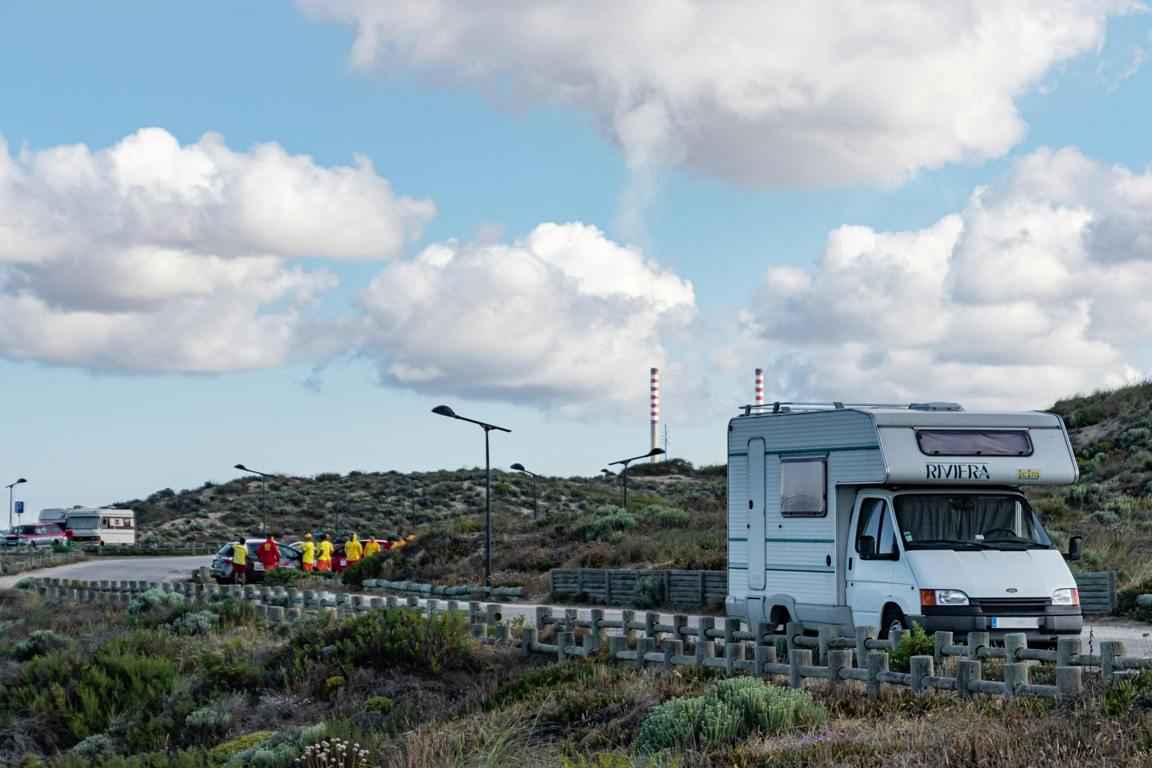
You bought a toy hauler or travel trailer, and you can’t wait to hit Yosemite. You live in Florida — what must you prepare for when hauling your RV cross-country on such a trek?
You crave the adventure of a lifetime. Prevent turning into a nightmare by doing your homework before hitting the road. Here are four tips for hauling an RV cross-country.
Table of Contents
1. Ensure You Have Sufficient Towing Capacity
Your first question when hauling an RV cross country is if your tow vehicle is up to the task. Towing capacity varies widely, even within a single model with multiple engine and transmission options. Calculate towing capacity with the following formula:
- Calculate the gross combined weight rating (GCWR) by adding the weight of the tow vehicle, the one you tow, and all the accessories, including toys, people, and fluids.
- Calculate the tow vehicle’s curb weight, which includes the weight of the tow vehicle only with all its associated fluids (gas, wiper fluid, etc).
- Subtract curb weight from GCWR to find your vehicle’s towing capacity, then subtract another 10%.
Manufacturers stress that you should never exceed towing capacity. The additional 10% is a necessary buffer when towing your RV cross-country. You’re sure to pick up stuff on your trek that will affect weight, and you don’t want to strain your transmission.
Could you make it if you push the limit? Possibly, but why risk it? Renting a heavier-duty ride for the trip is far cheaper than replacing your entire vehicle.
The Right Vehicle for Your Trailer Type
Furthermore, you must ensure you have the right vehicle for your trailer type. You can tow a toy hauler or travel trailer with nearly any ride that has sufficient towing capacity, from a work truck to an SUV.
However, those with fifth wheels need an open-bed pickup truck to install a special hitch that mounts to the frame of the truck, resting over the rear axle for superior control of these larger, sometimes unwieldy designs.
Prepping Your Car
Take your tow vehicle to the shop or give it a thorough inspection. Even vehicles that have high reliability ratings get low on fluids and have pipes and hoses that wear thin. It’s better to replace them before hitting the road than interrupting your journey by waiting for emergency roadside assistance.
2. Carry the Right Gear
The right gear protects your vehicle — and the people in it — when hauling an RV cross country. You need two things at a minimum: a well-stocked first aid kit and a tool kit. It also helps to take a crash course in basic mechanics to master how to change a tire and check fluids if you’re unfamiliar.
Disassemble your first aid kit and ensure you know how to use everything in it. Customize it, including prescriptions and devices unique to your health needs — like a spare contact lens case and solution.
Basic tools to carry include the following:
- A ratchet and socket set
- Various wrenches
- Assorted screwdrivers
- Pliers and wire cutters
- A jack, jack stand, and spare tire
- Triangles and emergency flares
- Jumper cables
- Oil, antifreeze, and emergency tire repair
3. Plan Your Route, Including Parking
Guess what? While your typical road trip may include plenty of fast food, you’ll have a heck of a time going through the drive-thru when towing an RV. That’s not the only issue you’ll encounter. You’ll need to occasionally park, get out, move around, and stretch your legs — which means finding a parking spot for the big beast.
Plan your stops with an eye toward available amenities. For example, big box stores often have ample parking at the rear end of their lots, and some have restaurants inside or adjacent to the property. Stretch, stock, and fuel up.
Speaking of fuel, practice getting in and out of gas stations near your home before hitting the road. Call ahead if punctuating your trip with hotel stays to ensure your lodging has adequate parking space.
4. Clean and Maintain Your RV From Your Trek
It’s tempting to park your RV and forget it when returning from a long, tiring cross-country trek. However, your work isn’t yet over. Prep your RV for storage if you don’t intend to use it again for a while by doing the following:
- Draining your tanks to prevent freezing, treating your black tank with chemicals, and winterizing pipes in cold climates.
- Rinsing away mud and debris from your RV’s exterior to protect the finish.
- Emptying the refrigerator, if not hooking to shore power, and removing any food that might draw rodents.
- Tossing a few mothballs beneath your rig to deter rodents from chewing on components.
How to Haul an RV Cross-Country
An RV offers vacations galore. You can go nearly anywhere when you take your “hotel room” with you. However, you must know the basics before hauling your rig cross-country.
Use these tips to have a safe, enjoyable trek while hauling your RV cross-country. Your rig can take you from Acadia National Park in Maine to Oregon’s redwoods with the right techniques and TLC.