


A legitimate NLP certification signifies a deep dive into the methodology, requiring experiential learning and practical application. Beware of Online Course Credibility issues.
Look for training bodies with established reputations and transparent accreditation processes. This ensures your investment leads to real skills, not just a generic certificate. To find the best NLP Practitioner training, choose courses that emphasize experiential learning and personal growth.
Table of Contents
Defining Neuro-Linguistic Programming and Its Purpose
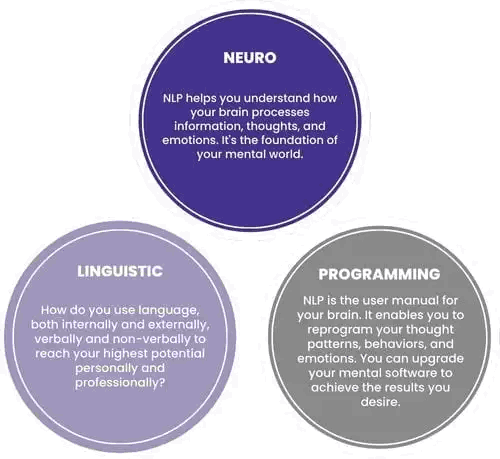
Neuro-Linguistic Programming, or NLP, is a sophisticated approach to communication, personal development, and, in specific contexts, psychotherapy. It leverages both conscious and unconscious processes. This facilitates profound behavioral and cognitive changes.
Originating in the 1970s, NLP initially focused on modeling the patterns of successful therapists like Milton Erickson. The core premise involves understanding the intricate connections between neurological processes, language patterns, and behavioral strategies. You then develop methods to modify these for desired outcomes. It is, in essence, an owner’s manual for the brain.
NLP provides tools for understanding how the mind and body interact. It clarifies how language shapes thinking. You learn how to program new, more effective patterns of behavior. This deep dive into your own operating system is crucial for certified coaches who aim for more than surface-level change.
Legitimacy and Certification of NLP
The NLP industry suffers from inconsistent certification standards. Many online NLP certification courses are unaccredited. Be wary of websites lacking proper credentials or valid SSL certificates. These issues raise significant concerns about legitimacy and the true value of your investment.
For example, some entities claim affiliation with the American Board of Neuro-Linguistic Programming or the Time Line Therapy Association. However, investigation often reveals these groups are self-accredited, lacking genuine external validation. This proliferation of unverified credentials contributes to the perception of NLP certification scam operations.
A legitimate NLP accreditation provides a benchmark for professional coaching standards. Without it, your certification may be little more than a piece of paper. This is why understanding NLP training legitimacy is paramount for aspiring practitioners.
Scams and Fraudulent NLP Certifications
Reports of individuals certifying NLP under the American Board of Neuro-Linguistic Programming and Time Line Therapy are common. However, many of these groups are suspected to be illegitimate or self-accredited. They operate with no real accreditation, promoting what amounts to a fake science grift.
Be cautious of promises of instant mastery or certifications obtained through weekend wonder programs. These often lack the rigor required for true vocational-level training. Such programs contribute to coaching fraud reports and tarnish the reputation of legitimate NLP coaches. You must discern genuine training from online NLP certification scams.
The International Guild of Neuro-Linguistic Programming (iGNLP) is one such entity that has faced scrutiny. While appearing legitimate, some iGNLP group certifications have been questioned regarding their depth and adherence to global accreditation standards. Research any NLP course review thoroughly to avoid these pitfalls.
Reputable NLP Trainers and Schools

Identifying reputable NLP trainers and schools is critical. While some competitors recommend NLP Marin as a leading organization, Global NLP Training emphasizes direct, immersive learning. We focus on vocational-level rigor, moving beyond the claims of specific founders.
Credible training involves more than just watching Udemy NLP courses or passive online videos. It requires an immersive, experiential learning environment. Look for programs that provide superior post-course support and a clear path to mastering Practitioner Certification and beyond.
Avoid trainers like Matt Barnett or organizations whose primary focus is on high-volume, low-cost online certifications. True mastery comes from high-end environments, not from generic, mass-produced programs. This distinction is vital for anyone serious about professional coaching in the Philippines or elsewhere.
Effects and Effectiveness of NLP
Some critics argue that NLP is a ‘fake science’ or a grift, claiming it is ineffective or discredited by the scientific community. These criticisms often stem from exposure to poorly delivered or fraudulent NLP certification programs. The issue is not NLP itself, but the proliferation of low-quality training.
Legitimate NLP, however, offers powerful tools for Self-Hypnotherapy, overcoming Motivation Blockages, improving Memory Access, and addressing Subconscious Money Blocks. When taught correctly, it provides practical, verifiable techniques for personal and professional transformation. The effectiveness hinges on the quality of the training received.
A true NLP deep dive with proper NLP accreditation equips you with skills that transcend mere theoretical knowledge. This distinguishes real-world applications from pseudo-science criticism. It’s about tangible results, not just claims.
Differences Between Real Skills and Scams
Distinguishing between genuine NLP skills and scam courses is paramount. Real skills are backed by reputable training, immersive experiential learning, and verifiable global accreditation standards. Scam courses often lack a scientific basis, proper accreditation, and provide little to no practical application.
A legitimate NLP practitioner training program will focus on practical application, not just theoretical concepts. It will provide the tools for understanding Neuro-Linguistic Programming, Time Line Therapy, and Mental Emotional Release in a way that leads to real-world competence. You will gain skills, not just a certificate.
Be vigilant for red flags such as excessive claims, lack of transparency regarding accreditation, or an overly low NLP certification cost that seems too good to be true. True vocational training is an investment, not a cheap shortcut. Choose between a generic certificate and a life-altering mastery of the craft.
Expert Insight
“True vocational training in NLP is an investment in life-altering mastery rather than a cheap shortcut, real skills are distinguished from scams by their focus on immersive experiential learning, verifiable global accreditation standards, and practical real-world competence,” Industry Analyst
Global Accreditation Standards for Neuro-Linguistic Programming Certification

The proliferation of online courses and self-appointed certifying bodies has created significant inconsistencies in Neuro-Linguistic Programming accreditation standards. This leads to widespread confusion about legitimate NLP coaches and professional coaching standards.
Legitimacy and Certification of Neuro-Linguistic Programming
True vocational-level NLP practitioner training adheres to rigorous global accreditation standards. This ensures that certified individuals possess demonstrably robust skills. Many so-called “certifications” lack any external validation, operating as self-accredited entities with questionable legitimacy. These often fall into the category of NLP certification scam operations.
Reports often surface regarding individuals claiming certification under the American Board of Neuro-Linguistic Programming or the Time Line Therapy Association without having undergone appropriate, verifiable training. You must scrutinize the accreditation body, its history, and its global recognition. A legitimate NLP accreditation signifies adherence to a curriculum that includes practical application, ethical guidelines, and comprehensive assessment.
This goes far beyond what a passive online video series or a Udemy NLP course can offer. The International Guild of Neuro-Linguistic Programming (iGNLP) is one such entity that has faced scrutiny regarding its operational transparency and accreditation validity. Some users have reported issues like invalid SSL certificates on their websites, raising concerns about the organization’s credibility and leading to accusations of an iGNLP scam.
Scams and Fraudulent NLP Certifications
The coaching industry standards are often diluted by providers offering online NLP certification that lacks depth. These platforms often promote a fake science grift, promising quick mastery without the necessary immersive experiential learning. The danger lies in the potential risks of fake NLP courses, which can mislead aspiring practitioners and clients alike.
For example, some entities claim to offer Practitioner Certification under the American Board of Neuro-Linguistic Programming or the Time Line Therapy Association without meeting their rigorous criteria. This contributes to coaching fraud reports and undermines the NLP training’s legitimacy. It’s crucial to differentiate between genuine NLP deep dive training and superficial online course credibility.
Definition and Purpose of Neuro-Linguistic Programming
Neuro-Linguistic Programming, or NLP, is a sophisticated approach to communication, personal development, and, in specific contexts, psychotherapy. It leverages both conscious and unconscious processes to facilitate profound behavioral and cognitive changes. While some pseudo-science criticism exists, its core purpose is to model excellence and provide tools for personal transformation.
NLP is often applied to address motivation blockages, improve memory access, and resolve subconscious money blocks. Understanding NLP methods and techniques requires more than just an online course. It demands hands-on experience and direct feedback, which is absent in many Udemy NLP courses or those offered by trainers like Matt Barnett, who may not provide vocational-level rigor.
Effects and Effectiveness of Neuro-Linguistic Programming
While some critics label NLP a ‘fake science’ or grift, the effectiveness of genuine NLP practitioner training, particularly in areas like Time Line Therapy and Mental Emotional Release, is widely recognized by those who undergo rigorous programs. The issue often lies with the NLP certification scam operations that dilute its true potential.
The debate around NLP certification validity often stems from the inconsistencies in training quality. Legitimate NLP coaches, particularly those from reputable institutions like NLP Marin, emphasize the importance of comprehensive training over quick, unaccredited courses. Google Trends data shows increasing searches for “NLP certification scam,” indicating a growing awareness among consumers.
Differences Between Real Skills and Scams
Distinguishing between genuine NLP skills and a scam requires careful consideration of the training environment and accreditation. Real skills are developed through immersive, high-end environments, often involving international travel to unique locations like Bali or Amsterdam, which Global NLP Training provides.
In contrast, many online NLP certification providers, including those found on platforms like Facebook, Google, or YouTube, offer superficial content. These often feature self-hypnotherapy techniques or promise quick fixes without proper foundational training. This gap is particularly evident in regions like the Philippines, where the demand for professional coaching in the Philippines is high, but the availability of legitimate NLP trainer options in the Philippines can be limited.
The NLP certification cost can vary significantly, but investing in a program that offers comprehensive post-course support and a strong network, rather than a generic certificate, ensures a higher long-term ROI. You must choose between a generic certificate and a life-altering mastery of the craft in an inspiring, high-end environment.
Expert Insight
“While the demand for professional coaching in the Philippines is high, many online providers offer superficial content; true mastery requires avoiding ‘discredited treatments’ and investing in immersive, high-end training that offers a higher long-term ROI than a generic certificate,” Industry Analyst
The Necessity of Immersive Experiential Learning
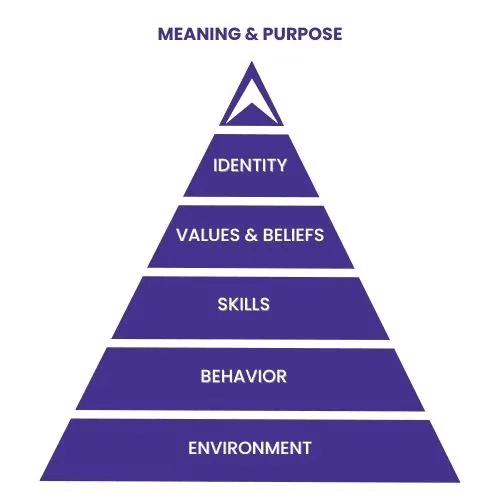
Genuine Neuro-Linguistic Programming mastery is not acquired through passive consumption of online videos or theoretical readings. It demands immersive, experiential learning. This involves direct, supervised practice of techniques such as Mental Emotional Release, Time Line Therapy, and Self-Hypnotherapy.
High-end programs prioritize hands-on application, allowing participants to experience, integrate, and refine their skills in a dynamic environment. This contrasts sharply with the often superficial online NLP certification offerings, including those found on platforms like Udemy, which may provide introductory content but fall short of delivering vocational-level competence.
Real-world scenarios, guided exercises, and immediate feedback are indispensable for developing the nuanced understanding required for effective NLP application. Without this deep dive into practical experience, the skills remain theoretical, failing to translate into tangible results for overcoming Motivation Blockages or accessing Memory Access effectively.
The proliferation of self-proclaimed NLP trainers and the ease of creating online courses have led to a significant number of NLP certification scam operations. These often promise quick mastery without the necessary rigorous, in-person practice.
True NLP deep dive experiences, often provided by legitimate NLP coaches, emphasize the practical application of techniques to address issues like Subconscious Money Blocks. This is where the distinction between a legitimate NLP Practitioner Certification and a mere certificate from an online NLP certification mill becomes evident.
While platforms like Udemy offer introductory content, they typically lack the guided, personalized feedback crucial for mastering complex NLP techniques. This often leads to individuals holding an online NLP certification that lacks practical validity.
Consumers must exercise caution, especially when encountering claims of rapid certification through online NLP courses. The American Board of Neuro-Linguistic Programming and the Time Line Therapy Association set standards that emphasize practical, supervised training, which is rarely replicated in purely online formats.
Reports of coaching fraud reports often highlight that a significant number of so-called certified coaches in the Philippines, or elsewhere, have only completed superficial online programs. These programs frequently fail to provide the hands-on experience necessary for true vocational competence.
Tax-Deductibility of Professional Vocational Training
For professionals in fields like coaching, therapy, or business, the cost of high-quality vocational Neuro-Linguistic Programming training is often a legitimate business expense. This financial incentive highlights the distinction between casual learning and serious, career-advancing education.
In many jurisdictions, professional vocational training that enhances existing skills or is required for maintaining professional qualifications can be tax-deductible. This is a significant benefit for individuals pursuing legitimate NLP Practitioner Certification.
Consult with tax professionals in your respective regions, such as the Philippines, to understand how these significant investments in professional coaching standards can offset taxable income. This benefit is typically unavailable for generic, unaccredited courses lacking vocational rigor.
The distinction is crucial. Training aligned with reputable bodies like the American Board of Neuro-Linguistic Programming or the Time Line Therapy Association often qualifies. Beware of online NLP certification from platforms like Udemy NLP courses, which rarely meet these professional standards or offer tax advantages.
Legitimate NLP coaches understand the value of deep dive training. This is not about a fake science grift; it’s about acquiring verifiable skills. Coaching fraud reports often stem from unaccredited programs that promise quick fixes without substantive education, impacting professional coaching in the Philippines.
Long-Term ROI of an Elite Network
Investing in an elite Neuro-Linguistic Programming training environment yields a long-term return on investment (ROI) that extends far beyond a simple certificate. High-end, immersive programs attract a caliber of individuals committed to excellence, fostering a powerful professional network. This network provides ongoing support, collaboration opportunities, and access to advanced insights, significantly amplifying one’s professional trajectory.
The value of this community far surpasses the transactional nature of cheap online NLP courses. Building relationships with legitimate NLP coaches and trainers, rather than falling prey to coaching fraud reports, ensures access to credible mentorship and peer support. This ecosystem of shared knowledge and ambition is a critical component of mastering the craft, offering a significant advantage over isolated, self-paced learning.
Legitimacy and Certification of NLP
Neuro-Linguistic Programming, while powerful, suffers from inconsistent certification standards across the industry. Many courses are unaccredited, and some websites promoting certifications may have invalid SSL certificates or lack proper credentials, raising significant concerns about legitimacy.
True vocational training adheres to rigorous NLP accreditation standards, often recognized by reputable bodies like the American Board of Neuro-Linguistic Programming (ABNLP) or the Time Line Therapy Association. Be wary of organizations that claim affiliation with these entities without demonstrable proof.
Scams and Fraudulent NLP Certifications
The rise of online NLP certification has unfortunately led to an increase in scams and fraudulent offerings. Reports indicate instances of individuals certifying NLP under the guise of legitimate organizations. However, some groups are suspected to be illegitimate or self-accredited with no real accreditation, promoting what amounts to a fake science grift.
For example, some ‘iGNLP group’ certifications have faced scrutiny for lacking genuine backing. Always verify the credentials of any NLP trainer or school, especially when considering providers in regions like the Philippines, where the professional coaching industry standards are still evolving.
Reputable NLP Trainers and Schools
Distinguishing between real skills and scams is paramount. For credible training, consider institutions that offer a deep dive into Neuro-Linguistic Programming and prioritize experiential learning. While some competitors recommend specific organizations, the emphasis should always be on the quality of the curriculum and the trainer’s verifiable expertise. Seek out trainers who offer comprehensive NLP practitioner training, potentially including Time Line Therapy and Mental Emotional Release, and provide robust post-course support. Avoid platforms like Udemy NLP courses, which often lack the immersive, interactive components essential for true mastery.
Effects and Effectiveness of NLP
Critics sometimes label Neuro-Linguistic Programming as a ‘fake science’ or pseudo-science criticism, claiming it is ineffective or discredited by the scientific community. However, legitimate NLP, when taught with vocational-level rigor, provides powerful tools for communication, personal development, and overcoming challenges like motivation blockages and subconscious money blocks.
Its effectiveness lies in its practical application of techniques for memory access and behavior modification, rather than theoretical claims. The key is to engage in training that emphasizes practical application and measurable outcomes, rather than simply receiving a certificate.
Scams and Fraudulent NLP Certifications
The Neuro-Linguistic Programming industry faces significant challenges from fraudulent certifications and outright scams. Many individuals and groups issue NLP certifications with questionable validity, often preying on those seeking quick solutions.
Legitimacy and Certification of NLP
NLP, as an approach to communication and personal development, utilizes both conscious and unconscious processes. However, the legitimacy of NLP certification suffers from inconsistent standards. Numerous courses are unaccredited, and some websites promoting these programs lack proper credentials or valid SSL certificates, raising serious concerns about their credibility.
You must scrutinize any NLP training provider. The absence of genuine external oversight or internationally recognized accreditation bodies should immediately raise a red flag. This lack of verifiable standards is a primary indicator of potential coaching fraud reports.
Scams and Fraudulent NLP Certifications Exposed
Reports frequently detail instances of individuals and organizations purporting to certify NLP practitioners under the guise of reputable entities like the American Board of Neuro-Linguistic Programming or the Time Line Therapy Association. However, many of these groups are self-accredited, operating without the rigorous external validation essential for legitimate NLP coaches.
These entities often promote what critics label a “fake science grift,” targeting individuals with promises of resolving “subconscious money blocks” or offering rapid personal transformation. The International Guild of Neuro-Linguistic Programming (iGNLP group) has been specifically mentioned in discussions concerning such practices, highlighting the need for vigilance.
When selecting an NLP training provider, due diligence is paramount. Relying solely on platforms like Facebook, Google, and YouTube for reviews can be misleading without deeper investigation into the NLP training legitimacy. This is particularly crucial in regions like the Philippines, where professional coaching standards may vary widely, making it harder to discern legitimate NLP coaches from fraudulent ones.
Effects and Effectiveness of NLP: Addressing the “Fake Science” Criticism
The NLP deep dive into human behavior and communication has, unfortunately, attracted pseudo-science criticism. Some argue that NLP is a ‘fake science’ or a “grift,” claiming it is ineffective or discredited by the scientific community. This perception often stems from the proliferation of low-quality, unaccredited NLP course reviews and online NLP certification programs, such as those found on platforms like Udemy, which may not adhere to rigorous professional coaching standards.
Genuine NLP practitioner training, however, focuses on practical techniques for communication, personal change, and overcoming motivation blockages, rather than offering quick fixes for “subconscious money blocks.” It involves understanding memory access, self-hypnotherapy, and advanced communication patterns.
The distinction between authentic Neuro-Linguistic Programming and its misrepresentation is crucial. While the core principles of NLP, when taught correctly, can be transformative, the industry’s susceptibility to “fake science grift” claims necessitates careful selection of training. This is why a thorough NLP certification validity check is essential.
Reputable NLP Trainers and Schools
Distinguishing between real skills and scams requires identifying reputable NLP trainers and schools. Organizations like NLP Marin are frequently recommended as leading institutions for high-quality NLP accreditation standards. Some experts emphasize the invaluable experience of learning directly from NLP founders Richard Bandler and John Grinder for truly credible training.
Look for programs that offer comprehensive Practitioner Certification and Master Practitioner training, rather than short, superficial online NLP certification courses. The credibility of a program is often reflected in its affiliation with recognized bodies, even if the American Board of Neuro-Linguistic Programming and Time Line Therapy Association have faced scrutiny regarding certain affiliated trainers like Matt Barnett or the iGNLP group.
A legitimate NLP course review will highlight vocational-level rigor, immersive experiential learning, and a focus on practical application. This contrasts sharply with generic Udemy NLP courses or those promising quick fixes without substantial content, often discussed in relation to figures like Danielle Ryan or the Time Line Association.
Differences Between Real Skills and Scams
The fundamental difference between real NLP skills and scam certifications lies in the depth of training, the rigor of accreditation, and the tangible, verifiable outcomes. Real NLP practitioner training provides a deep dive into the methodology, offering practical tools for communication, personal development, and Mental Emotional Release (MER).
Scam courses, conversely, often lack a scientific basis, proper NLP accreditation, and genuine external oversight. They prioritize a quick certificate over true skill mastery, resulting in NLP certification validity concerns. Professionals seeking to genuinely master Neuro-Linguistic Programming must prioritize vocational-level programs that emphasize immersive learning and a robust curriculum over superficial online offerings or those from certified coaches in the Philippines with unverified credentials.
Understanding these distinctions is vital for anyone considering an NLP certification. The true value lies in the mastery of the craft within an inspiring, high-end environment, not in a generic certificate from a “weekend wonder” mill.
Effects and Effectiveness of Neuro-Linguistic Programming: Addressing the “Fake Science” Criticism
Neuro-Linguistic Programming has faced significant criticism, with some detractors labeling it a “fake science” or a “grift.” They claim NLP is ineffective or discredited by the scientific community. It is crucial to understand that while NLP emerged from modeling successful practices, rather than traditional scientific experimentation, its techniques are widely applied in personal development, coaching, and business.
Understanding the “Fake Science” Allegation
The effectiveness of Neuro-Linguistic Programming often hinges on the quality of training and the skill of the practitioner. Genuine NLP deep dive training focuses on practical application and measurable outcomes, helping individuals address issues such as Motivation Blockages and Memory Access. In contrast, many online NLP certification courses, particularly those found on platforms like Udemy, frequently make exaggerated claims without providing a solid foundation in methodology or ethical application.
This lack of rigor fuels the “pseudo-science criticism.” Distinguishing between rigorous, outcome-oriented training and superficial offerings is key to understanding the true potential of Neuro-Linguistic Programming. The American Board of Neuro-Linguistic Programming and the Time Line Therapy Association are entities often cited in accreditation, but their standards vary wildly among providers, leading to confusion about NLP training legitimacy.
Distinguishing Real Skills from Scams in NLP
The Neuro-Linguistic Programming industry faces significant challenges from fraudulent certifications and outright scams. Many individuals and groups issue NLP certifications with questionable validity, often preying on those seeking quick solutions. Reports indicate instances of individuals certifying NLP under the American Board of Neuro-Linguistic Programming and the Time Line Therapy Association, but some groups are suspected to be illegitimate or self-accredited with no real accreditation, promoting scams.
An NLP certification scam often involves trainers like Matt Barnett or organizations like the iGNLP group, particularly in regions like the Philippines. These programs often lack proper Accreditation Standards, leading to concerns about the NLP certification validity. Legitimate NLP coaches prioritize verifiable skills over mere certificates, emphasizing transformation over HR-style checklists.
The Definition and Purpose of Neuro-Linguistic Programming
Neuro-Linguistic Programming is an approach to communication, personal development, and psychotherapy. It makes use of both conscious and unconscious processes. Some historical accounts suggest NLP began as a form of psychotherapy designed to address depression and isolation. Its core purpose remains to provide tools and techniques for understanding and changing patterns of thought and behavior.
This includes areas like Self-Hypnotherapy, overcoming Subconscious Money Blocks, and improving interpersonal communication. The legitimacy of NLP, as an approach, is tied directly to the integrity of its application and the thoroughness of its training. This guide serves as the definitive benchmark for professionals who demand rigorous, transformational education in Neuro-Linguistic Programming.
Legitimacy and Certification of Neuro-Linguistic Programming
Neuro-Linguistic Programming suffers from inconsistent certification standards. Many courses are unaccredited, and some websites offering online NLP certification may have invalid SSL certificates or lack proper credentials, raising concerns about legitimacy. The International Guild of Neuro-Linguistic Programming (iGNLP) is one such organization whose accreditation claims often require scrutiny, with some labeling it an iGNLP scam.
Professional coaching standards dictate a level of rigor that many online NLP certification providers fail to meet. A thorough NLP course review often reveals discrepancies between advertised claims and actual educational value. The NLP certification cost can also be misleading, with cheap Udemy NLP courses rarely providing the deep dive necessary for true mastery.
Reputable Neuro-Linguistic Programming Trainers and Schools
When seeking legitimate NLP coaches and training, it is essential to prioritize organizations with a proven track record and transparent accreditation. While some competitors recommend NLP Marin as a leading organization, and others emphasize learning directly from founders Grinder and Bandler, the key is vocational-level rigor. Look for Practitioner Certification programs that offer immersive, experiential learning, not passive online videos.
Genuine NLP training goes beyond theory, focusing on practical application. This ensures that you gain real skills rather than just a generic certificate. Companies like Global NLP Training offer internationally accredited, vocational college-level NLP certification through immersive, high-end retreats, providing superior post-course support and a transformative learning environment.
Distinguishing Real Skills from Scams in NLP Training
The distinction between acquiring genuine Neuro-Linguistic Programming skills and falling victim to a scam hinges on several critical factors. Reputable NLP training, exemplified by programs from Global NLP Training and trainers like Danielle Ryan, prioritizes practical, hands-on experience, a comprehensive curriculum, and verifiable NLP accreditation. This involves a deep dive into NLP methodologies and ethical considerations, ensuring practitioners can effectively apply advanced techniques such as Time Line Therapy and Mental Emotional Release.
In contrast, many online NLP certification scam courses, often found on platforms like Udemy, promise quick fixes and cheap certifications. These offerings frequently lack credible instructors, robust post-course support, and often contribute to coaching fraud reports. Participants are left with a generic certificate but no real mastery, highlighting the critical difference between a checklist item and life-altering mastery of the craft.
The Definition and Purpose of Neuro-Linguistic Programming
Neuro-Linguistic Programming is an approach to communication, personal development, and psychotherapy. It utilizes both conscious and unconscious processes to model excellence and achieve specific outcomes. While some historical accounts suggest its origins in psychotherapy for depression and isolation, its modern application spans personal growth, professional coaching, and therapeutic interventions. Understanding its core purpose is vital to discerning legitimate NLP practitioner training from superficial offerings.
Legitimacy and Certification of Neuro-Linguistic Programming
The legitimacy of Neuro-Linguistic Programming certification is often undermined by inconsistent certification standards. Many courses are unaccredited, and some websites promoting these certifications may even display invalid SSL certificates or lack proper credentials, raising significant concerns about their legitimacy. A critical NLP course review will scrutinize the accreditation body and the validity of its claims. Always verify affiliations with established organizations such as the American Board of Neuro-Linguistic Programming or the Time Line Therapy Association.
Scams and Fraudulent NLP Certifications
Reports of individuals certifying NLP under the guise of legitimate bodies, such as the American Board of Neuro-Linguistic Programming and the Time Line Therapy Association, are unfortunately common. However, some groups, like certain iGNLP groups or Matt Barnett NLP sites, are suspected to be illegitimate or self-accredited, with no real NLP accreditation. These entities often promote what amounts to an iGNLP scam, contributing to coaching fraud reports and devaluing the entire field. Such online NLP certification offerings are a prime example of the weekend wonder certification mills this guide aims to expose.
Reputable NLP Trainers and Schools
To avoid the pitfalls of a Neuro-Linguistic Programming certification scam, seek out reputable NLP trainers and schools. While some proponents emphasize learning directly from founders like Grinder and Bandler for credible training, other leading organizations, such as Global NLP Training, offer vocational college-level certification through immersive, high-end retreats. These programs, led by experienced trainers like Danielle Ryan, provide the deep dive necessary for true mastery, far removed from the superficiality of many Udemy NLP courses. The importance of live, immersive training over passive online consumption cannot be overstated.
Effects and Effectiveness of Neuro-Linguistic Programming: Addressing the “Fake Science” Criticism
Neuro-Linguistic Programming has faced criticism, with some detractors labeling it a ‘fake science’ or a ‘grift,’ claiming it is ineffective or discredited by the scientific community. This criticism often stems from a misunderstanding of NLP’s origins in modeling successful practices rather than traditional scientific experimentation. However, legitimate NLP practitioner training provides a robust framework for personal and professional transformation, with techniques widely applied in personal development, business, and therapy. The effectiveness of NLP, when taught by legitimate NLP coaches, is evidenced by long-term transformation and enhanced professional skills, not by a generic certificate from a questionable source.
Differences Between Real Skills and Scams
Distinguishing between genuine Neuro-Linguistic Programming skills, backed by reputable training, and scam courses that lack scientific basis or proper accreditation is paramount. Real vocational NLP training emphasizes immersive, experiential learning, direct supervision, and practice. It covers Practitioner Certification, Master Practitioner, Trainer levels, ethical considerations, and real-world application of Time Line Therapy, Mental Emotional Release, and Self-Hypnotherapy. Scam offerings, in contrast, provide a superficial overview, focusing on basic concepts without deep practical integration, often promising quick fixes for motivation blockages or subconscious money blocks. The long-term ROI of an elite network and potential tax-deductibility of professional vocational training further differentiate legitimate programs from mere certificate mills.
| Feature | Real Vocational Neuro-Linguistic Programming Training | Weekend Wonder / Online Certification Mills |
| Accreditation | Internationally recognized, verifiable bodies (e.g., American Board of Neuro-Linguistic Programming, Time Line Therapy Association with legitimate affiliations). Ensures NLP accreditation validity. | Self-accredited, questionable legitimacy, invalid SSL certificates (e.g., some iGNLP groups, Matt Barnett NLP sites). Often an iGNLP scam. |
| Learning Modality | Immersive, experiential, hands-on retreats with direct supervision and practice. Promotes NLP deep dive. | Passive online videos, self-paced modules, minimal interaction or practical application (e.g., many Udemy NLP courses). |
| Curriculum Depth | Comprehensive, covering Practitioner Certification, Master Practitioner, Trainer levels, ethical considerations, and real-world application of Time Line Therapy, Mental Emotional Release, Self-Hypnotherapy. Addresses motivation blockages and memory access. | Superficial overview, focuses on basic concepts without deep practical integration. May promise quick fixes for subconscious money blocks. |
| Network & Support | Access to an elite, supportive professional network, post-course mentorship, and community. Crucial for professional coaching standards. | Limited to no community, transactional interaction, absence of ongoing professional support. |
| ROI | Long-term transformation, enhanced professional skills, career advancement, potential tax-deductibility of professional vocational training. Supports legitimate NLP coaches and professional coaching Philippines. | Generic certificate, minimal skill acquisition, potential for wasted time and money, contributes to coaching fraud reports. Low NLP certification validity. |
Frequently Asked Questions About NLP Certification
What is Neuro-Linguistic Programming (NLP)?
Neuro-Linguistic Programming is a practical approach to communication, personal development, and psychotherapy. It explores how neurological processes, language, and behavioral patterns interact. NLP provides precise tools to understand and modify these interactions, leading to desired personal and professional outcomes. It began as a modeling approach, focusing on the conscious and unconscious processes of highly effective individuals.
How can I verify the legitimacy of an NLP certification?
Verifying the legitimacy of an NLP certification is crucial to avoid a Neuro-Linguistic Programming scam. First, check the accreditation body’s global recognition. Reputable organizations like the American Board of Neuro-Linguistic Programming and the Time Line Therapy Association set high standards. Research trainer credentials thoroughly, legitimate NLP coaches possess extensive experience and verifiable qualifications. Read independent NLP course reviews and confirm the training includes substantial immersive, experiential learning. Be wary of claims from self-accredited groups or those with poor online presence, invalid SSL certificates, or a history of iGNLP scam reports. A true NLP deep dive requires more than superficial claims.
Are online NLP certifications valid?
While some online resources offer introductory NLP content, a truly valid and vocational-level NLP Practitioner Certification demands immersive, hands-on, and supervised experiential learning. Many online-only programs, especially those offering cheap certifications from platforms like Udemy, or those associated with coaching fraud reports, lack the depth and practical application necessary for genuine mastery. The online NLP certification model often falls short of professional coaching standards, failing to provide the critical feedback and real-time practice essential for acquiring real skills. This is a common pitfall in the coaching industry standards debate.
Why is there criticism calling NLP a “fake science”?
NLP has faced criticism for lacking traditional scientific validation, leading to labels like “fake science grift” or pseudo-science criticism. This stems from its origins in modeling human excellence rather than empirical research, making some question the NLP certification validity. However, many legitimate NLP coaches and practitioners find it highly effective for personal development, overcoming Motivation Blockages, Self-Hypnotherapy, Memory Access, and professional coaching. The criticism often amplifies when unaccredited, superficial courses make exaggerated claims without delivering real, verifiable skills, contributing to the perception of an NLP certification scam. Distinguishing between genuine NLP deep dive training and a superficial Udemy NLP course is key here.
Can NLP training be tax-deductible?
Yes, high-quality, vocational-level NLP training that genuinely enhances professional skills or is required for career advancement can often be tax-deductible as a professional vocational training expense. This applies to programs focused on building tangible abilities, such as those offered by Global NLP Training. It is crucial to consult a tax professional to understand specific eligibility criteria in your region, as tax laws vary. This tax benefit underscores the investment nature of elite NLP practitioner training, differentiating it from casual learning.
What is the difference between real NLP skills and a scam?
The core difference between real NLP skills and an NLP scam lies in the training’s rigor, accreditation, and practical application. Real skills are developed through programs that adhere to strict NLP accreditation standards, often recognized by bodies like the American Board of Neuro-Linguistic Programming and the Time Line Therapy Association.
These programs emphasize immersive, experiential learning, providing a comprehensive NLP deep dive into methodologies like Mental Emotional Release and addressing Subconscious Money Blocks. Scams, conversely, often involve unaccredited, superficial courses, poor online course credibility, and trainers with questionable credentials, such as those associated with the iGNLP group or Matt Barnett NLP claims, which have faced coaching fraud reports.
Genuine NLP training prioritizes transformation and verifiable results over quick, cheap certifications from platforms like Udemy.
How do reputable NLP trainers and schools operate?
Reputable NLP trainers and schools prioritize comprehensive, hands-on learning and ethical practice. They are typically accredited by globally recognized bodies such as the American Board of Neuro-Linguistic Programming and the Time Line Therapy Association. Trainers like Danielle Ryan exemplify this standard, providing extensive practical experience beyond passive online videos.
These institutions focus on delivering vocational-level rigor, ensuring graduates possess genuine NLP skills. They often provide superior post-course support and foster an elite network. Beware of claims from self-accredited groups or those with poor online presence. Reputable training avoids the “weekend wonder” model, instead offering a life-altering mastery of the craft in an inspiring, high-end environment, far from the typical corporate training settings. This ensures the NLP certification validity and value.