


Europe offers very different winter holidays depending on where you go. You can watch the Northern Lights in Finnish Lapland, explore Christmas markets in Vienna, ski in the Italian Dolomites, or enjoy milder weather on the Canary Islands.
The best places to visit in Europe this winter depend on whether you want snowy landscapes, festive city breaks, mountain adventures or winter sunshine. For the 2026–2027 season, planning around the weather, seasonal opening dates and Christmas travel demand will help you choose the right destination.
Here are seven destinations worth considering, with practical advice on when to visit and what to expect.
Table of Contents
7 Best Places to Visit in Europe This Winter:
1. Vienna, Austria — Best for Christmas Markets
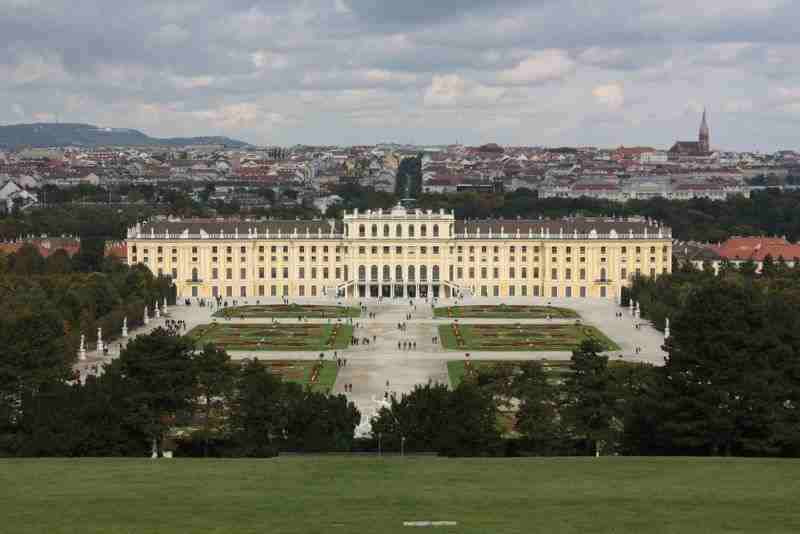
Vienna is one of Europe’s strongest choices for a traditional Christmas holiday. Historic buildings, decorated streets, seasonal food and festive markets make the Austrian capital particularly appealing in late November and December.
The main Vienna Christmas Market at Rathausplatz runs from 13 November to 26 December 2026. The nearby ice-skating attraction continues until 6 January 2027, giving visitors another reason to stay beyond Christmas.
During the day, explore Schönbrunn Palace, visit the Kunsthistorisches Museum or stop at a traditional Viennese coffee house. In the evening, browse market stalls selling ornaments, crafts, pastries and hot drinks.
- Best time to visit: Late November to mid-December for festive atmosphere, or early January for a quieter trip.
- Good to know: December is busy, especially on weekends. Book accommodation early if you want to stay near the historic centre.
2. Rovaniemi, Finland — Best for Snow and the Northern Lights
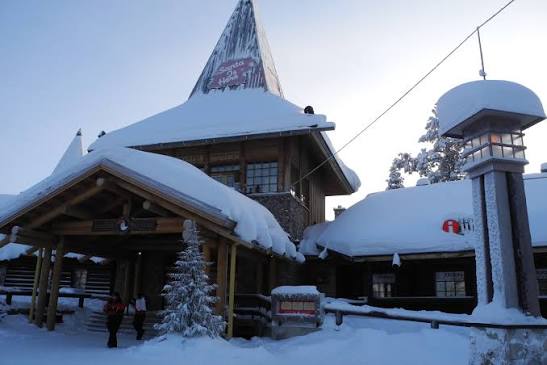
For a classic Arctic winter experience, head to Rovaniemi in Finnish Lapland. Snow-covered forests, reindeer experiences, husky excursions and visits to Santa Claus Village make it a popular choice for families and winter adventure seekers.
Rovaniemi is also a destination for Northern Lights viewing. The local tourism board describes the aurora season as running from late August into early April, although sightings depend on cloud cover, darkness and solar activity.
December brings a particularly festive atmosphere, but the days are very short. January and February are worth considering if you want a deep-winter setting with opportunities for snow-based activities.
- Best time to visit: December for Christmas experiences; January to March for a snowy Arctic holiday.
- Good to know: Northern Lights sightings are never guaranteed. Allow several nights rather than relying on one evening, and pack proper thermal layers.
3. Tenerife, Canary Islands, Spain — Best for Winter Sun

If you prefer sunshine to snow, Tenerife is one of the most practical European winter escapes. The island combines beaches, coastal towns, volcanic scenery and hiking opportunities, with Mount Teide offering a dramatic contrast to the warmer coast.
The Canary Islands generally have mild winters, with official regional tourism information describing typical winter temperatures in the range of 18°C to 25°C. Actual conditions vary by island, altitude and location.
Spend a few days around Costa Adeje or Los Cristianos for beaches and restaurants, then explore the island’s quieter villages and landscapes. Teide National Park is another highlight, although mountain conditions can be much colder than those at sea level.
- Best time to visit: December to February for a break from colder northern European weather.
- Good to know: Winter is a popular travel season in the Canary Islands. Book flights and accommodation early, particularly around Christmas and New Year.
4. The Dolomites, Italy — Best for Skiing and Mountain Scenery
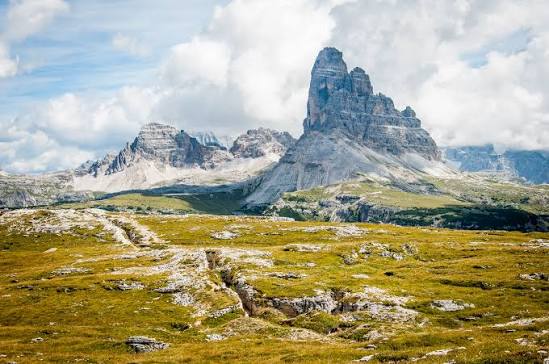
The Italian Dolomites offer dramatic mountain views, ski resorts, alpine villages and cosy mountain restaurants. They are a strong choice for travellers who want an active winter holiday rather than a city break.
The 2026–2027 ski season is already taking shape. Dolomiti Superski lists opening dates of 28 November 2026 for some areas, including Plan de Corones and Val di Fiemme–Obereggen, while several other linked resorts are scheduled to open on 4 December. Dates vary by resort.
Cortina d’Ampezzo is a well-known base for mountain scenery and winter sports. Val Gardena and Alta Badia are also worth considering for access to the wider Dolomites ski area.
- Best time to visit: December to March, depending on snow conditions and the resort.
- Good to know: Early-season snow coverage can vary. Check lift opening dates and current conditions before booking a trip around skiing.
5. Madeira, Portugal — Best for Mild Weather and Nature
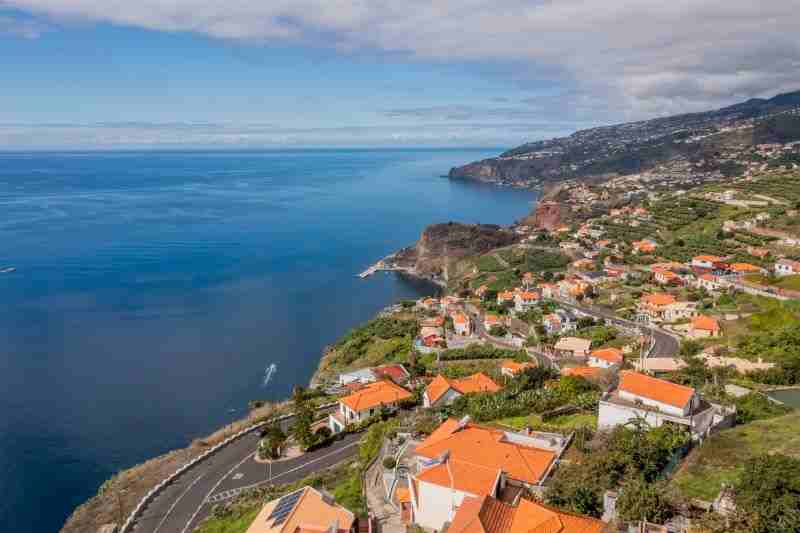
Madeira is an appealing winter destination for people who enjoy nature, coastal scenery and outdoor activities without extreme cold. Its volcanic landscape includes green mountains, gardens, dramatic cliffs and levada walking routes.
The official Madeira tourism board describes the islands as a year-round destination, with landscapes and activities ranging from forests and waterfalls to coastal towns and beaches.
Base yourself in Funchal for restaurants, markets and access to local attractions. On clear days, explore mountain viewpoints or choose a walking route suited to your fitness level and the weather.
Madeira is also known for its New Year’s Eve celebrations. If you want to visit during that period, plan because demand for accommodation can be high.
- Best time to visit: December to February for a mild-weather escape.
- Good to know: Madeira is not a guaranteed beach holiday in winter. Rain, wind and cooler mountain conditions are possible, so bring waterproof clothing and flexible plans.
6. Prague, Czechia — Best for a Festive City Break
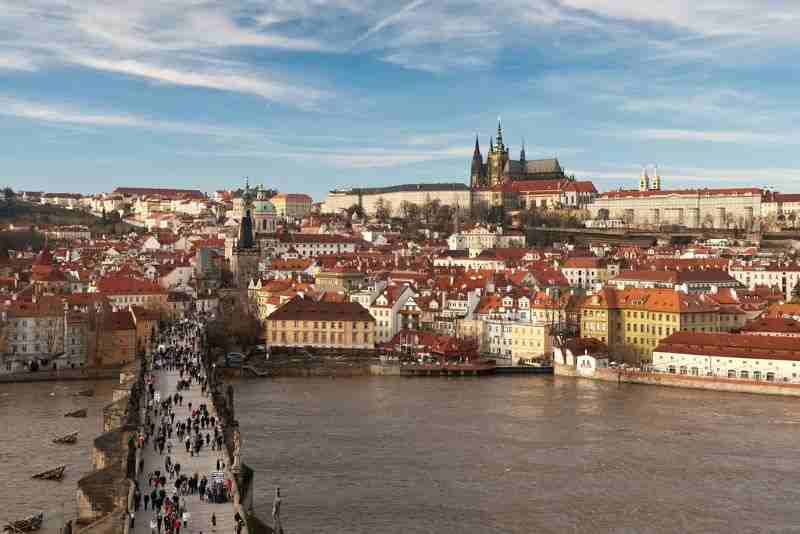
Prague combines historic architecture, cobbled streets, traditional food and a festive winter atmosphere. The Old Town Square and Charles Bridge are particularly striking in cold weather, while museums, cafés and historic pubs provide plenty to do when temperatures drop.
December is the obvious choice for seasonal markets and Christmas decorations. If you prefer a quieter trip, January can offer a different experience, with fewer festive crowds after the holiday period.
Spend time exploring the Old Town, visit Prague Castle and try Czech dishes such as goulash or traditional pastries. Winter weather can bring rain, frost or snow, so comfortable shoes with good grip are useful.
- Best time to visit: Late November through December for Christmas markets; January for a less festive city break.
- Good to know: Popular central areas become crowded around Christmas. Consider staying a short walk or tram ride from the main tourist streets.
7. Cyprus — Best for Winter Sun and History
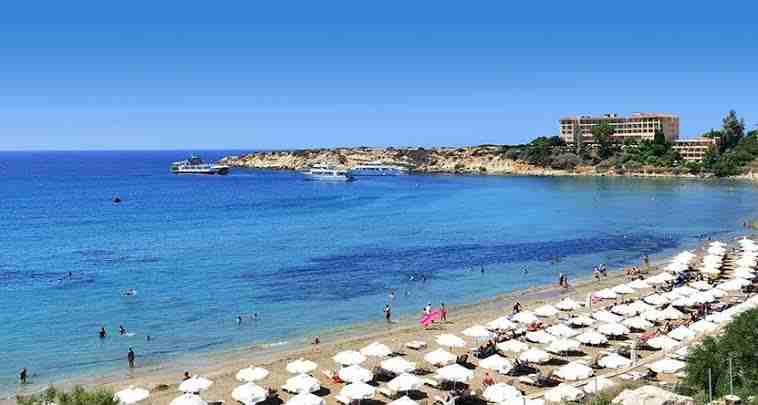
Cyprus is a good option if you want milder weather alongside historic sites, coastal walks and Mediterranean food. It is generally quieter than during the summer beach season, making winter attractive for travellers who prefer sightseeing over crowded resorts.
The official tourism board describes December to February as the island’s mild winter season. It also notes that rain and snow can occur in the Troodos Mountains, while coastal areas receive sunshine even during winter. <Cite refs={[“turn667725search2”]}/>
Paphos is a useful base for archaeological sites and coastal scenery, while Limassol offers restaurants, city attractions and access to nearby villages. Inland, the Troodos region provides a different landscape and can be much colder than the coast.
- Best time to visit: December to February for cultural sightseeing and mild coastal weather.
- Good to know: Expect a mix of sunny and rainy days rather than guaranteed beach weather. Check seasonal opening hours for smaller attractions and restaurants.
Which European Winter Destination Should You Choose?
| Your priority | Destination to consider | Best period |
|---|---|---|
| Christmas markets | Vienna | Late November–December |
| Snow and Northern Lights | Rovaniemi | December–March |
| Winter sunshine | Tenerife | December–February |
| Skiing and mountain scenery | The Dolomites | December–March |
| Nature and mild weather | Madeira | December–February |
| Festive architecture and cafés | Prague | Late November–December |
| Culture and coastal walks | Cyprus | December–February |
These periods are general planning recommendations, not guarantees of specific weather or snow conditions.
How to Plan a European Winter Trip for 2026–2027
A little preparation can make winter travel easier and more comfortable.
- Book around seasonal demand. Christmas markets, ski resorts and New Year’s Eve destinations can become expensive or sell out during peak dates.
- Check opening dates. Ski lifts, seasonal attractions and Christmas markets do not all operate throughout winter.
- Pack for the destination. Arctic travel requires thermal layers and insulated footwear; milder destinations still need a waterproof jacket.
- Allow for shorter daylight hours. Plan outdoor sightseeing earlier in the day, especially in northern Europe.
- Check entry requirements. Passport validity, visa rules and border procedures depend on your nationality and itinerary. Verify current requirements before departure.
- Keep plans flexible. Snow, rain and high winds can affect mountain activities, flights and outdoor excursions.
For a multi-country trip, avoid trying to cover too many places in a short time. One festive city and one countryside or mountain destination can make a more enjoyable winter holiday than a rushed tour across several countries.
Frequently Asked Questions
Where is the best place to visit in Europe in winter?
It depends on your plans. Vienna is excellent for Christmas markets, Rovaniemi for snow and Northern Lights, Tenerife for winter sunshine, and the Dolomites for skiing and mountain scenery.
Which European countries are warm in winter?
The Canary Islands, Madeira, Cyprus and parts of southern Spain and Portugal are popular choices for milder winter weather. Conditions vary, and none guarantees sunshine every day.
Where can I see snow in Europe in December?
Finnish Lapland and many Alpine resorts are strong options. However, snowfall and ski conditions vary by location and year, so check local forecasts and resort reports before travelling.
When should I visit Europe’s Christmas markets in 2026?
Late November and the first half of December are good starting points. Vienna’s main Rathausplatz market is scheduled to run from 13 November to 26 December 2026, but dates differ between cities and markets. <Cite refs={[“turn190505search11”]}/>
Is Europe cheaper to visit in winter?
It can be, particularly outside Christmas, New Year and major ski periods. Winter is not automatically cheaper everywhere: popular festive cities and ski resorts can charge peak-season prices.
Final Thoughts
The best places to visit in Europe this winter offer very different experiences, from Arctic snow and Alpine skiing to festive markets and mild Mediterranean weather. Start by deciding whether you want snow, sunshine or Christmas atmosphere, then match your destination to your budget and travel dates.
For a classic festive break, choose Vienna. For a snowy adventure, consider Rovaniemi. If escaping the cold is your priority, Tenerife or Madeira may be a better fit. Check current conditions and seasonal opening dates before booking your 2026–2027 trip.